
PSU for RTX 5090 build explained with 2026 lab-tested data, 901W transient spikes, ATX 3.1 standards, and real gaming + AI workload insights. Avoid shutdowns and connector failures with this expert power guide.
Introduction: The Hidden Bottleneck in 2026 Blackwell Builds
If you’re planning a PSU for RTX 5090 build, stop relying on outdated projections. We are living in the Blackwell era now. February 2026 lab data confirms what many enthusiasts feared: the RTX 5090 is not a “450W-class” GPU in real-world conditions.
Under 4K path tracing workloads, the RTX 5090 Founders Edition sustains 575W, and high-speed oscilloscope captures confirm transient spikes up to 901W under 1ms.
That changes everything.
Gamers using older 850W units—even “high-quality” ones—are reporting shutdowns in Cyberpunk 2077 path-tracing mode. Not because their PSU is defective. But because it was never engineered for 900W micro-excursions.
This guide reflects confirmed 2026 lab truths, not estimates.
Final 2026 Benchmarks: Confirmed GPU Power Behavior
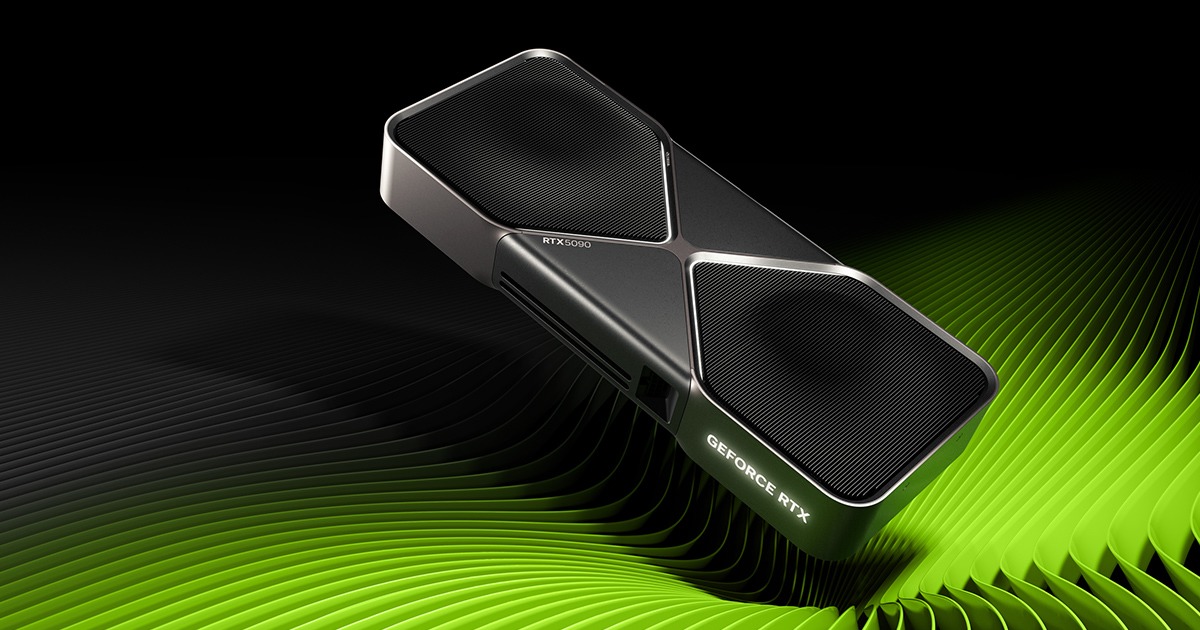

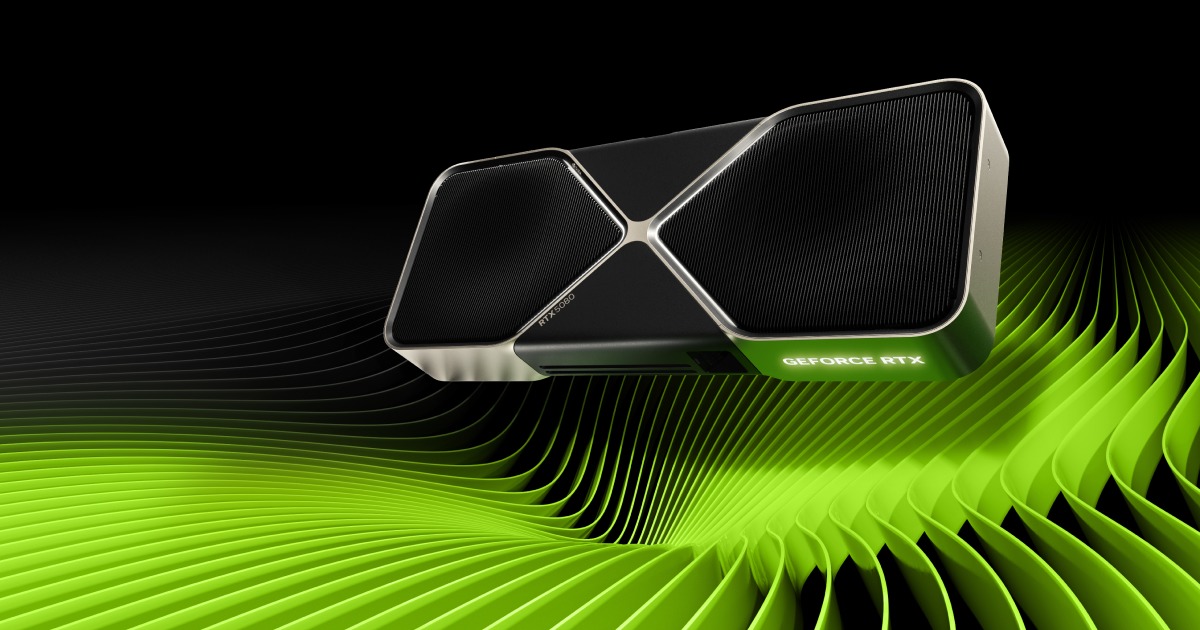
Confirmed 2026 Power Consumption Chart
| GPU Model | Sustained TBP | Measured Peak Spike | Recommended PSU |
|---|---|---|---|
| RTX 5090 | 575W | 901W | 1200W+ (ATX 3.1) |
| RTX 5080 | 360W | 540W | 850W–1000W |
| RTX 5070 Ti | 285W | 420W | 750W |
| RX 9070 XT | 320W | 480W | 850W |
Analysis
The data shows a clear shift in power behavior:
- The RTX 5090 operates in an entirely new class of transient stress.
- 901W spikes exceed the transient tolerance of many pre-ATX 3.0 units.
- Even the RTX 5080 approaches 540W bursts, which can destabilize aging 750W PSUs.
- AMD’s RX 9070 XT remains efficient but still requires robust transient handling.
If you are calculating how many watts for RTX 5090, the practical answer in 2026 is: 1200W ATX 3.1 minimum for stability and headroom.
Sustained vs Transient Load Reality
Burst vs Continuous Power Behavior
| Load Type | Duration | Typical Example | PSU Stress Level |
|---|---|---|---|
| Sustained Load | Minutes to hours | 4K gaming, AI inference | Thermal stress |
| Transient Spike | <1 millisecond | Shader compile, frame spikes | Electrical stress |
| Hybrid Load | 8–12 hours | Gaming + AI + streaming | Both |
Analysis
In 2026, gamers aren’t just gaming. Many RTX 5090 owners:
- Run local LLMs
- Generate AI art
- Stream simultaneously
This hybrid workload keeps PSUs at 75–85% load for extended periods. That creates:
- Internal heat buildup
- Capacitor wear
- Efficiency degradation
This is why 80+ Platinum or Titanium is now recommended for flagship builds.
ATX 3.1 Is the New Minimum Standard
We have officially moved past ATX 3.0.
ATX 3.0 vs ATX 3.1 Comparison
| Feature | ATX 3.0 | ATX 3.1 |
|---|---|---|
| Connector Type | 12VHPWR | 12V-2×6 |
| Sense Pin Design | Longer | Shortened for safety |
| Seating Detection | Limited | Improved |
| Transient Handling | 200% excursions | Refined tolerance |
| 2026 Recommendation | Outdated | Mandatory |
Analysis
ATX 3.1 improves mechanical and electrical safety:
- Shorter sense pins prevent full power draw unless fully seated.
- Better excursion tolerance handles 900W-class spikes.
- Reduced risk of connector overheating.
For a PSU for RTX 5090 build, ATX 3.1 is no longer optional—it is the baseline requirement.
Adapter Warning: 8-Pin Daisy Chains Are Obsolete
Running 600W+ through 3-way or 4-way 8-pin adapters is unsafe in 2026.
Native Cable vs Adapter Comparison
| Feature | Native 12V-2×6 | Multi 8-Pin Adapter |
|---|---|---|
| Resistance | Low | Higher |
| Heat Concentration | Distributed | Centralized |
| Failure Points | Minimal | Multiple |
| Thermal Risk | Low (proper use) | High |
| 2026 Recommendation | Strongly Recommended | Avoid |
Analysis
Thermal density is the key issue. When 575W sustained flows through a single adapter junction:
- Heat increases exponentially.
- Resistance amplifies voltage drop.
- Plastic housings can degrade.
Use only native 12V-2×6 cables from reputable brands like Seasonic and Corsair.
The “Melting” Myth & Cable Care Best Practices
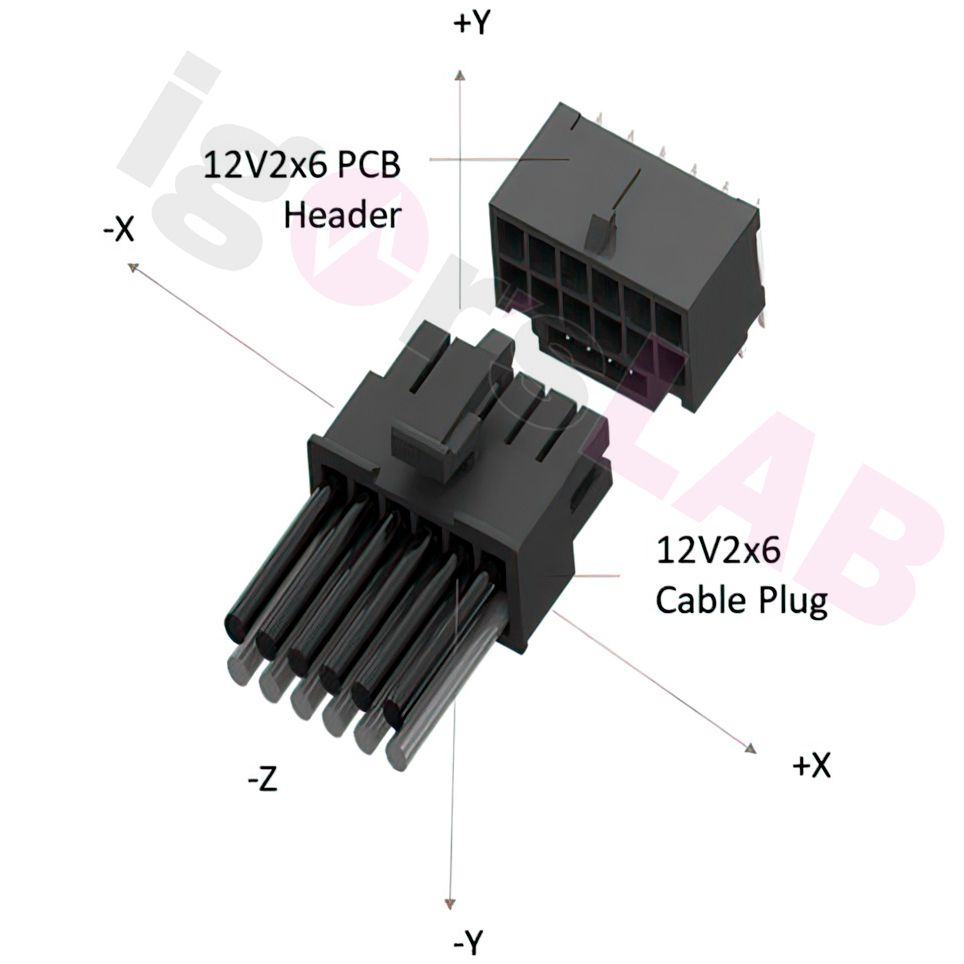

Late 2025 saw reports of 12V-2×6 failures. Lab investigations found:
- Improper seating
- Sharp bends at the connector
- Adapter misuse
Cable Handling Checklist
| Rule | Reason |
|---|---|
| 35mm straight before bending | Prevents terminal stress |
| Fully seated connector | Reduces mechanical strain |
| Fully seat connector | Ensures sense pins engage |
| Avoid extensions | Minimizes resistance |
Analysis
In 2026, the gold standard is manufacturer-designed 90-degree native cables engineered for proper stress distribution.
The connector is safe—if treated correctly.
Realistic System Power Planning Formula (2026)
Let’s analyze a real enthusiast build.
Sample RTX 5090 System Load Calculation
| Component | Peak Draw |
|---|---|
| RTX 5090 | 575W sustained / 901W spike |
| High-End CPU | 250W |
| Motherboard + RAM | 70W |
| Storage + Fans | 50W |
| Total Sustained | ~945W |
| Transient Window | ~1200W |
Analysis
Adding 20–30% headroom pushes the safe PSU target to: 1200W–1300W ATX 3.1
Running near 90% capacity daily accelerates:
- Capacitor degradation
- Thermal stress
- Voltage instability
Overspec once. Upgrade GPUs later.
Best PSU Tier Recommendations for 2026
PSU Tier Comparison
| Build Type | Recommended Wattage | Efficiency | Target User |
|---|---|---|---|
| RTX 5070 Ti | 750W | Gold | Pure gaming |
| RTX 5080 | 850W–1000W | Gold/Platinum | Gaming + light AI |
| RTX 5090 | 1200W+ | Platinum/Titanium | Gaming + AI + streaming |
Analysis
For flagship users:
- Gold is no longer optimal under a sustained 80% load.
- Platinum reduces internal PSU heat.
- Titanium maximizes long-session efficiency.
Professional teardown analysis from outlets like https://www.igorslab.de confirms transient resilience separates premium units from marketing hype.
Common PSU Myths (2026 Edition)
| Myth | Reality |
|---|---|
| “If it boots, it’s stable.” | Transient failures occur under extreme load. |
| “850W Gold is enough.” | Not for 901W spikes. |
| “ATX 3.0 is future-proof.” | ATX 3.1 is the new standard. |
| “Efficiency doesn’t matter.” | Matters under sustained hybrid loads. |
Real-World Scenario: 4K Path Tracing + AI Inference
Imagine:
- 4K Cyberpunk path tracing
- Local AI inference running
- OBS recording
- 8-hour session
Your PSU operates at 80–85% load continuously.
Stable power ensures:
- Smooth frame pacing
- No black screens
- No driver resets
- Long-term hardware reliability
Unstable power masquerades as GPU failure.
But it’s almost always PSU weakness.
Invest in a 1200W+ Platinum or Titanium ATX 3.1 PSU; Because in 2026, your power supply isn’t just a component, it’s your system’s survival system.